Pickleball rules for beginners: your first game in 2026
Short answer: Serve diagonally, let the serve and return bounce, and keep volleys outside the kitchen. In standard scoring only the serving side scores. This guide follows USA Pickleball's 2026 recreational rules; an event may use a different rulebook or scoring format.
Pickleball looks simple until someone calls "zero-zero-two" and tells you that standing in the kitchen is both allowed and a fault. The good news: those aren't contradictions. A handful of rules explain most of what happens in a first game.
This guide uses the 2026 USA Pickleball Official Rulebook, checked on October 13, 2026. It is a starting point for recreational play, not a claim that every professional tour or local event uses identical rules. Ask which rulebook and scoring format your group uses before the first serve.
Start with the court, not the score
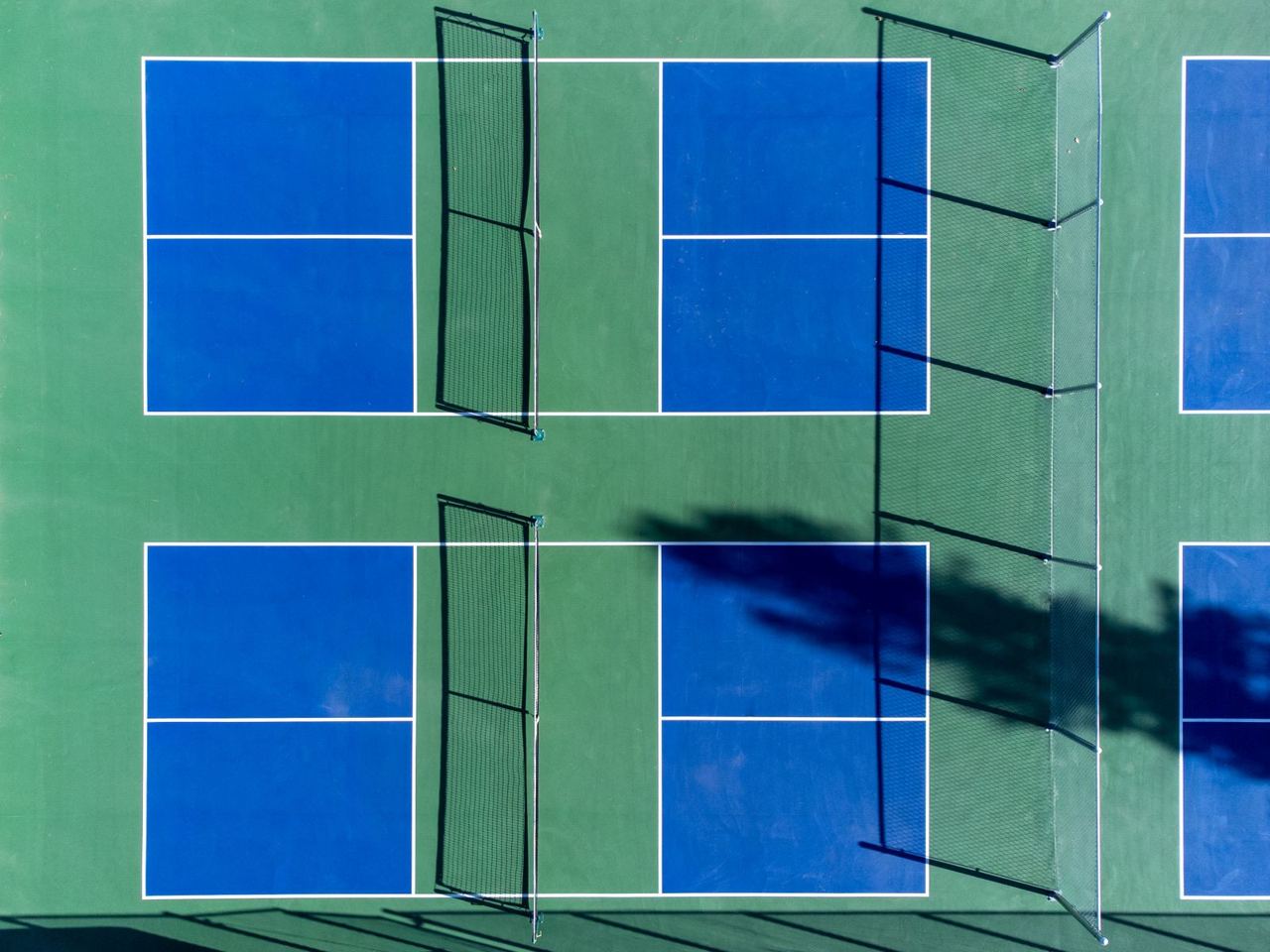
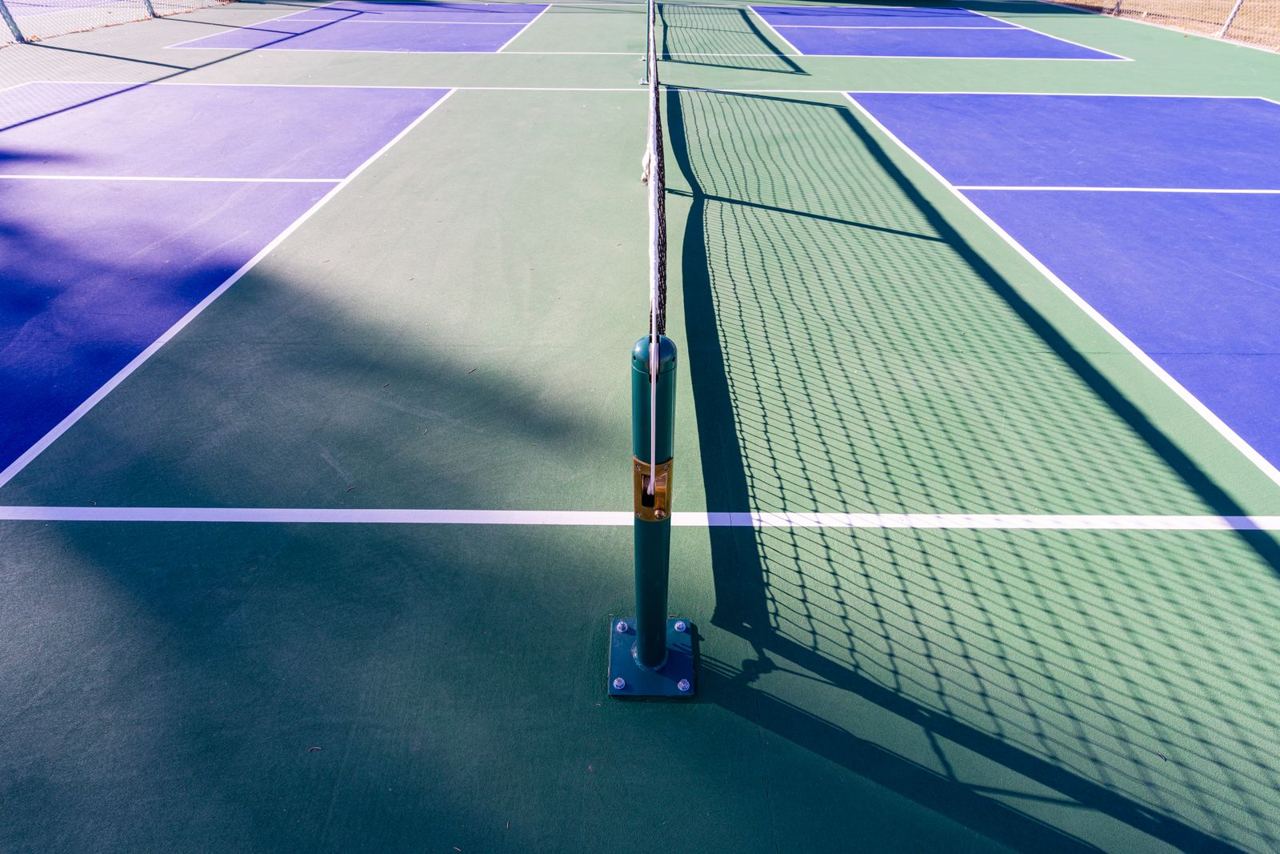
A standard pickleball court measures 20 feet wide and 44 feet long for both singles and doubles. The non-volley zone extends seven feet from the net on each side. Players usually call it the kitchen. Its boundary lines are part of the zone, which matters when a shoe barely touches a line during a volley.
The right and left service courts sit between the kitchen and the baseline. A serve travels diagonally into the opposite service court. You don't serve straight ahead to the player nearest you. In doubles, identify the correct receiver before starting rather than assuming either opponent can return it.
Court dimensions are different from the total space needed around a court. USA Pickleball lists a minimum playing surface of 30 by 60 feet, with larger recommended areas for new construction and tournament play. An existing court's painted rectangle alone does not tell you whether it has comfortable run-off space.
Serve after calling the score
Call the entire score before hitting the serve. Under the 2026 rules, the server has ten seconds after the completed score call to serve. A player can signal that they are not ready before the score call begins, using the recognized signals in the rulebook. Don't hurry an opponent who is still getting into position.
For your first game, use a serve you can repeat rather than trying to win the point immediately. The ball must go into the correct diagonal service court. The serving rules have separate requirements for volley serves and drop serves, so don't assume advice about one applies to both. Learn the chosen method with the serving section of the current rulebook or a qualified instructor.
The kitchen line is not a successful serve landing spot. The service court begins beyond the non-volley zone. Baseline, sideline and centerline boundaries of the correct service court are included in that court. That distinction is one reason beginners should learn serve boundaries separately from ordinary rally line calls.
The two-bounce rule keeps the opening honest
The receiver must let the serve bounce before returning it. Then the serving side must let that return bounce before hitting its next shot. Only after those two required bounces can either side hit the ball in the air, subject to the kitchen rules.
That doesn't mean a ball gets two bounces on one side. During normal play you must return it before a second bounce. The phrase "two-bounce rule" describes two different required bounces at the beginning of a rally, one on each side of the net.
A useful first-game habit is to pause and identify your role: receiving the serve, waiting for the return, or playing an open rally. Most early faults come from treating the opening like the rest of the point.
You can go into the kitchen
The kitchen is a non-volley zone, not a forbidden zone. A volley is a shot hit before the ball bounces. You can enter the kitchen to play a ball that has bounced. You can also stand there at other times, provided you don't break the restrictions associated with a volley.
When volleying, you and anything in contact with you cannot touch the kitchen, including its lines. Momentum matters too. If your volley carries you into the zone afterward, it can still be a fault even if the ball has already become dead. Catching your balance outside the kitchen is part of executing a legal volley.
After touching the kitchen, both feet must contact the playing surface completely outside it before you volley again. Jumping from inside the zone to hit a volley does not remove that requirement. The short version is to play a bounced ball there, step out fully, and establish your position before taking the next ball in the air.
Standard scoring rewards the serving side
In standard scoring, only the serving side can score a point. Winning a rally while receiving earns the serve or moves the opponents through their serving sequence. It doesn't automatically add a point to your score.
Singles uses two numbers: server's score, then receiver's score. If the server's score is zero or even, the server serves from the right. If it is odd, the server serves from the left. The server changes serving areas after each point won and keeps serving until losing a rally.
Doubles uses three numbers: serving team's score, receiving team's score, then server number. The opening call is zero-zero-two. The starting team gets only one server in its opening service rotation. After that, both partners normally serve before a side out.
Agree the winning score and win-by requirement before starting. The rulebook allows different game and match formats. Don't treat a casual group's chosen format as a universal rule for every competition.
Doubles positions are less mysterious than they sound
At the start of a new service rotation after a side out, service begins with the correctly positioned player on the right. That player is the first server for that rotation, and the partner is the second server. After the first server loses a rally, service passes to the second; after the second loses, it passes to the other team.
The starting server's correct position is right when the team's score is zero or even, and left when it is odd. The partner's correct position is the opposite. Those positions determine the correct server and receiver for the rally.
Once the serve and return are underway, teammates can move around their own end of the court. Positions aren't a requirement to stand motionless in a box throughout the rally. Before the serve, though, use the right arrangement and ask if you're unsure. The rulebook permits questions about the correct server, receiver and positions before the serve is hit.
Settle the format before the fun starts
A group using rally scoring may award points differently. Professional tours may also publish their own rulebooks. Ask "standard or rally scoring?" and "which rules are we using?" rather than trying to settle that question after a disputed point.
For a first session, consistency matters more than collecting obscure exceptions. Get the opening bounces right, avoid kitchen volley faults, call the score clearly and learn the service rotation. Then use the rulebook to resolve the unusual situations when they actually come up. Browse the rules topic hub for more source-checked guides as the library grows.
Frequently asked questions
Can I stand in the kitchen?
Yes. The restriction is on volleying and related contact or momentum. You can play a ball that has bounced in the kitchen, but must establish both feet completely outside it before volleying again.
Why does doubles start at zero-zero-two?
The starting team gets only one server during the opening service rotation. That starting server is designated the second server, so losing the opening rally produces a side out.
Does this guide cover every pro event?
No. It follows USA Pickleball's 2026 rulebook for the situations described. Check the organizer's rulebook, scoring format and event conditions before competing.
Sources
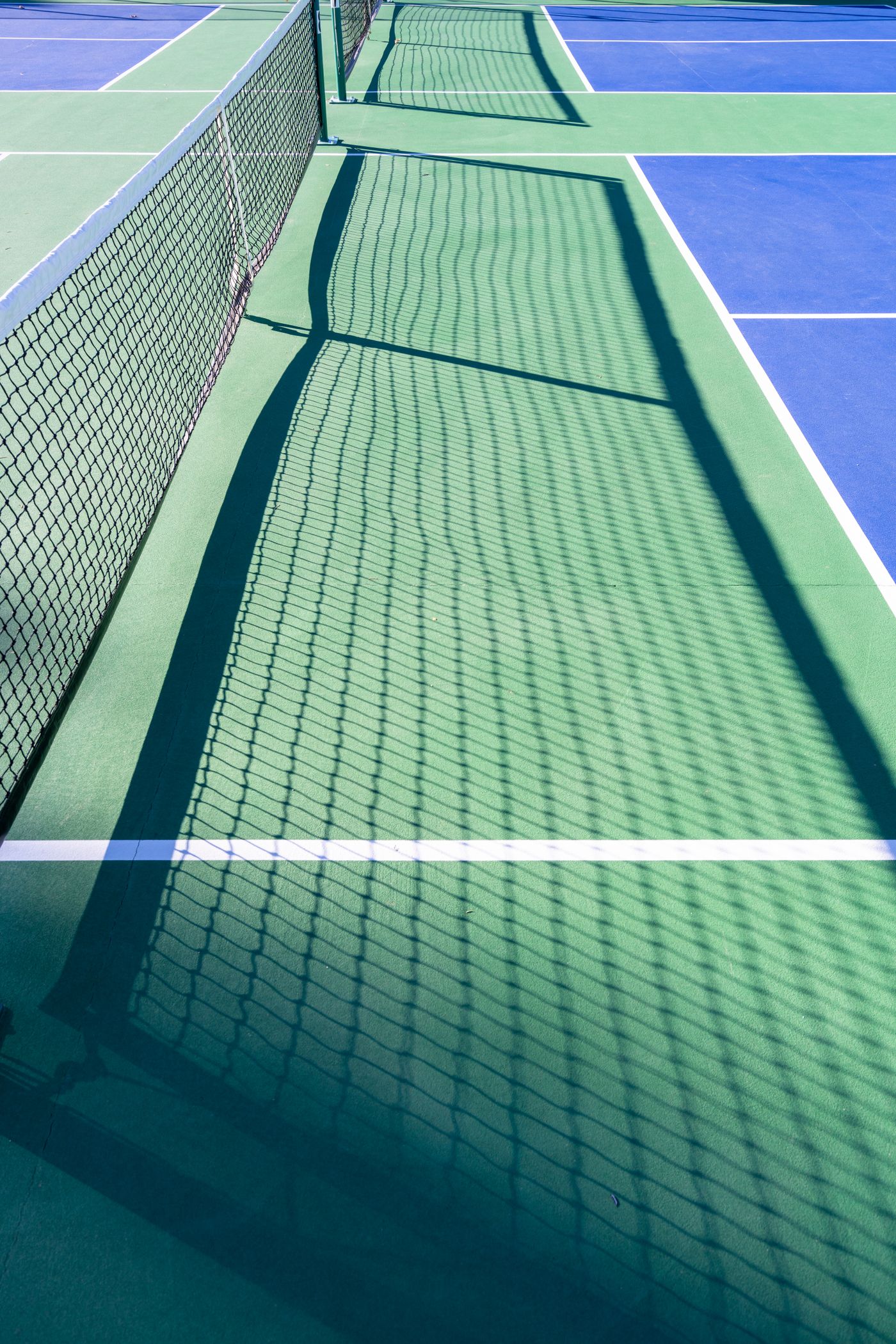
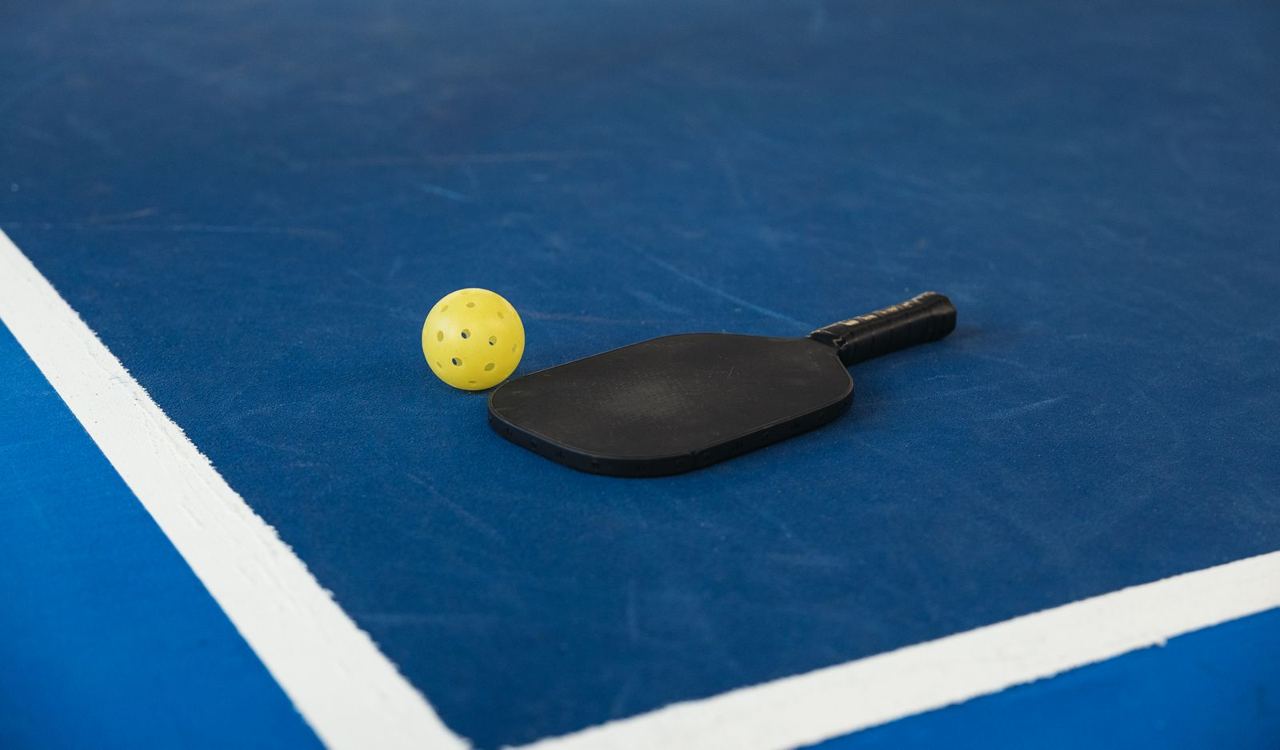
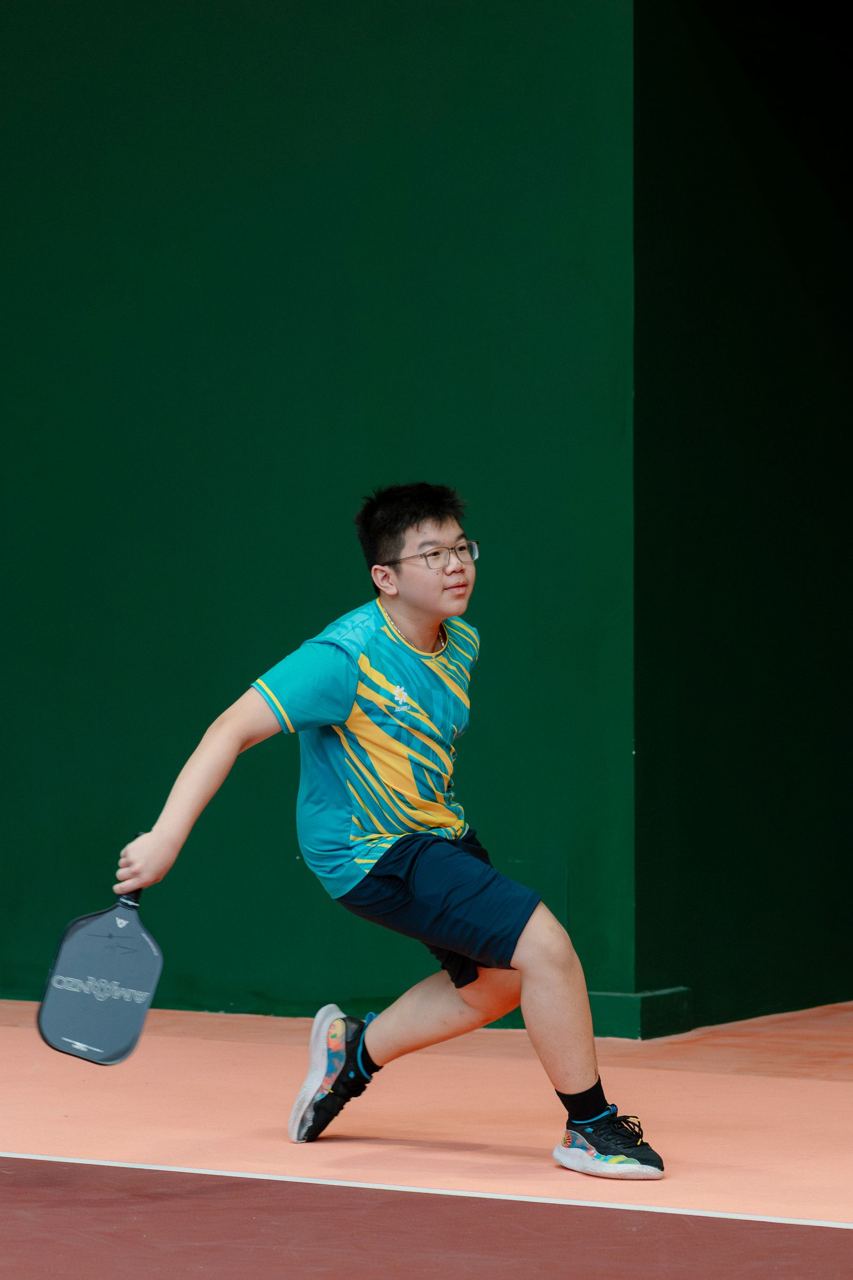
* Illustrative court and equipment photographs from Pexels, used under the Pexels License. Neither image depicts an event described in this guide.